Ireland Trip - Day 3
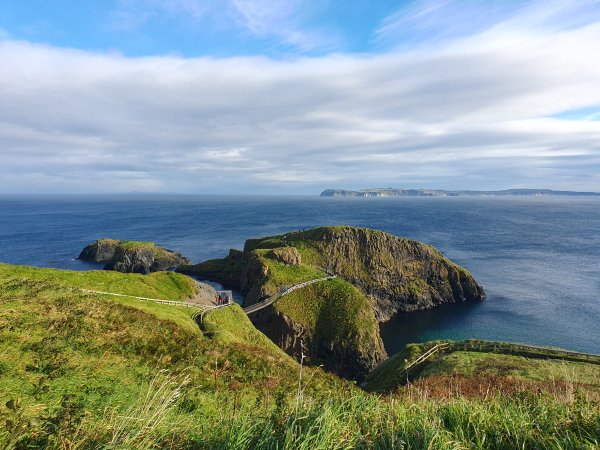
Today covers my two most favourite places during my trip. Moving to the Northwest and back in the Republic of Ireland, I went to Carraig a'Ráid, a site where fishermen built rope bridges to catch fish.
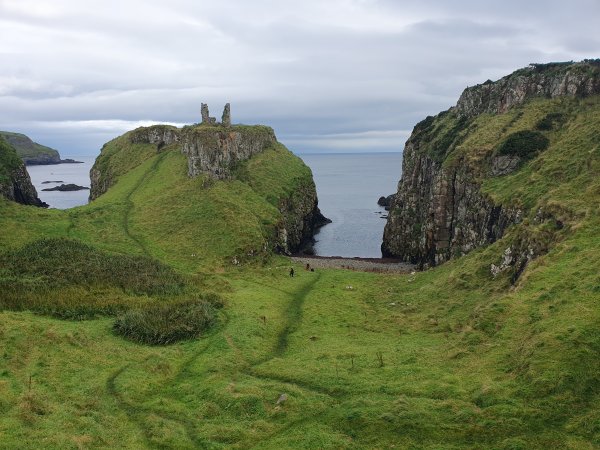
Nearby, I also stopped by Dunseverick Castle, a set of castle ruins built on a lush green hill, it was fun to explore and take in the views of the ocean.
Finally, I got to Clochán an Aifir (Giant's Causeway), which has long been on my bucket list. Being a popular tourist destination, there was an information centre, gallery and lots of tour options. I asked what the difference between the audio tours and the guided tours was, and the lady at the information desk unenthusiastically told me that the only difference is that you can ask questions during the guided tour, but the guided tour was starting in just a few minutes. So I joined the tour and was very happy I did -- the guide was hilarious, dropping jokes throughout the entire tour.
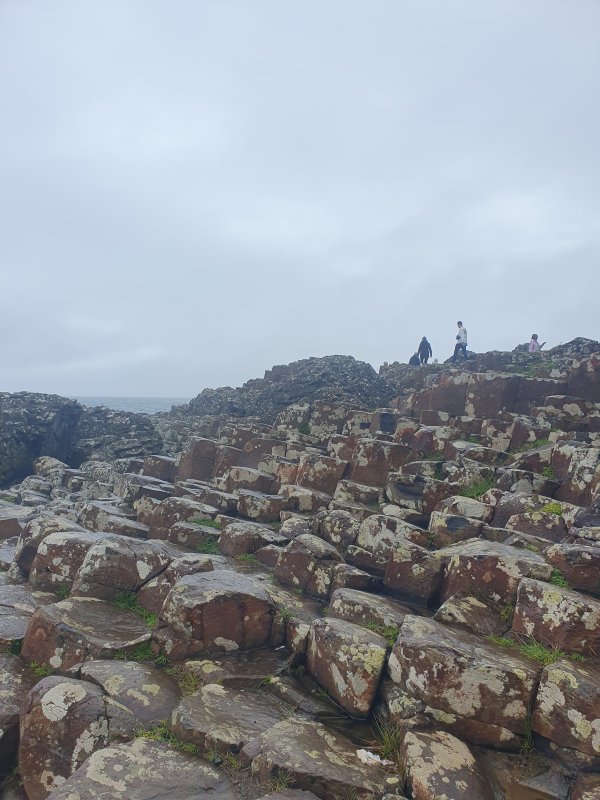
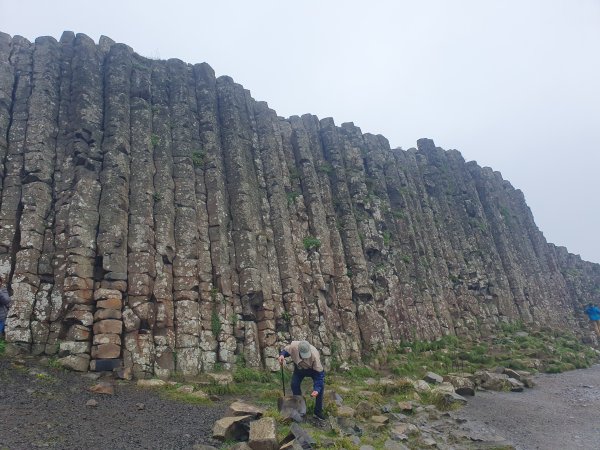
The area contains many geometric basalt columns or columnar jointed volcanics, which are formed from slow cooling lava.
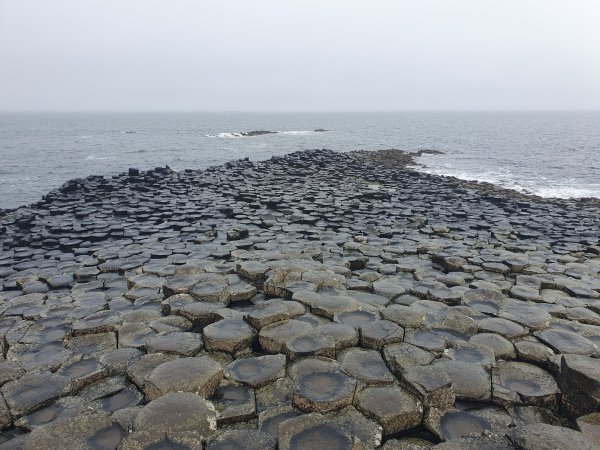
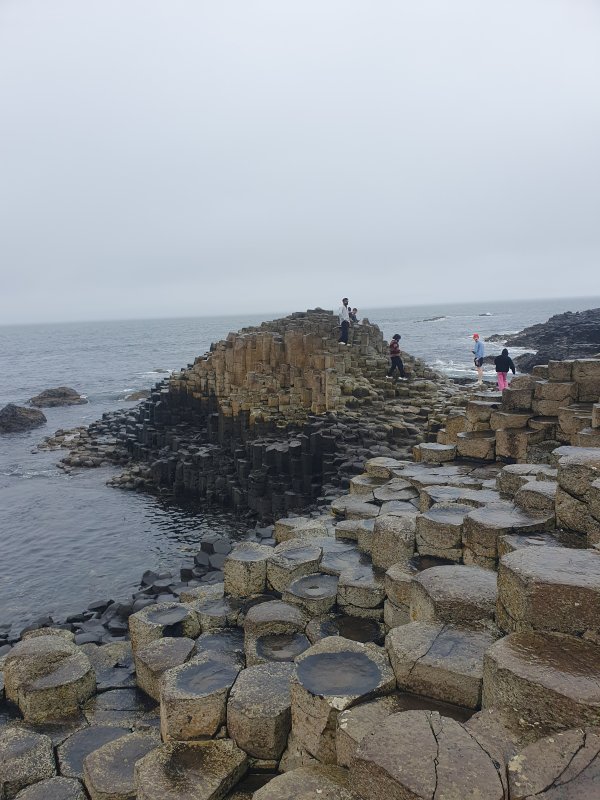
After the tour, I hiked all the nearby trails, taking plenty of photos throughout. This was hands down my favourite attraction from this whole trip, I really enjoyed seeing unique geometric formations and this was no exception.
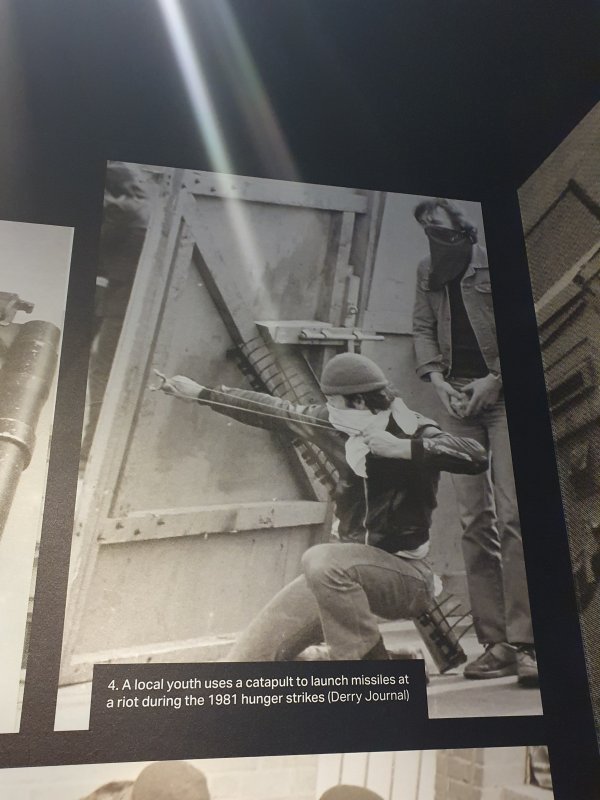
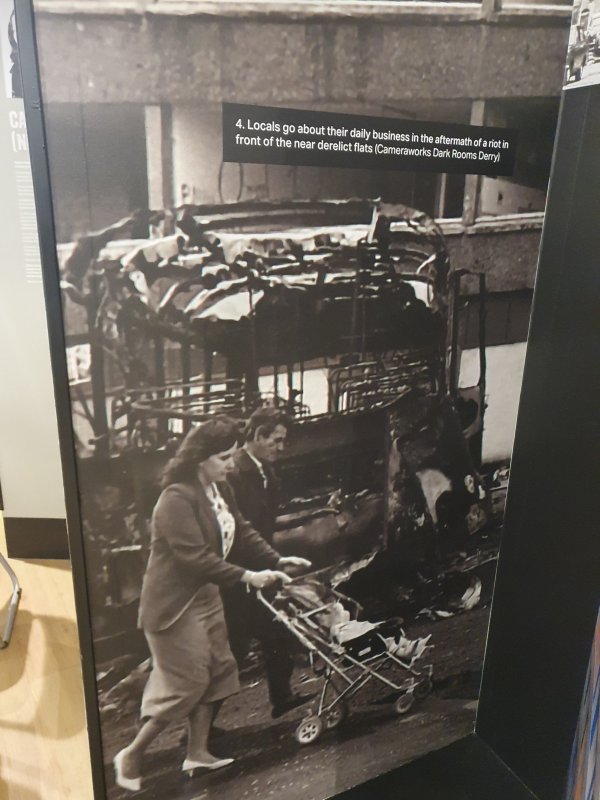
I noticed I was running a bit behind schedule and headed straight to Derry to visit the Free Derry Museum. The exhibits of the museum featured artifacts and stories about civil rights movement in Ireland, including the signage and clothing from the demonstrations that sparked the movement. This was my second favourite attraction from my whole trip.
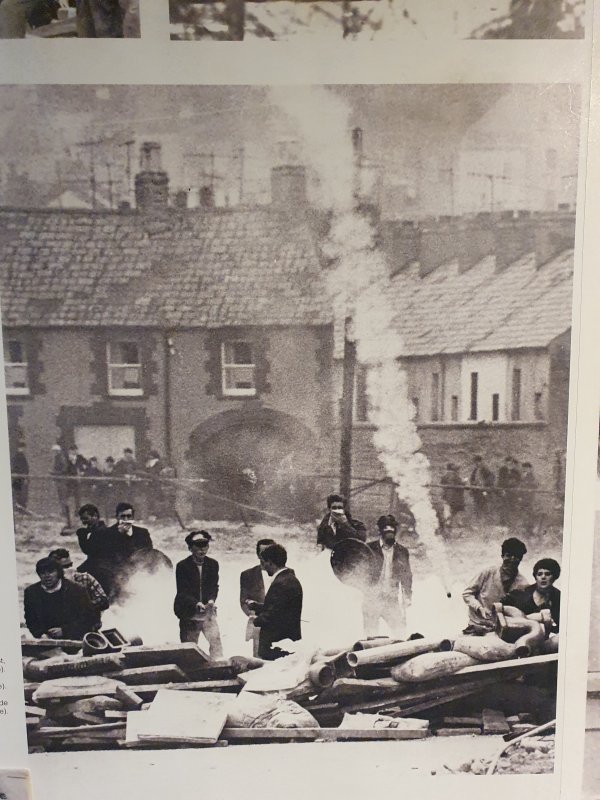
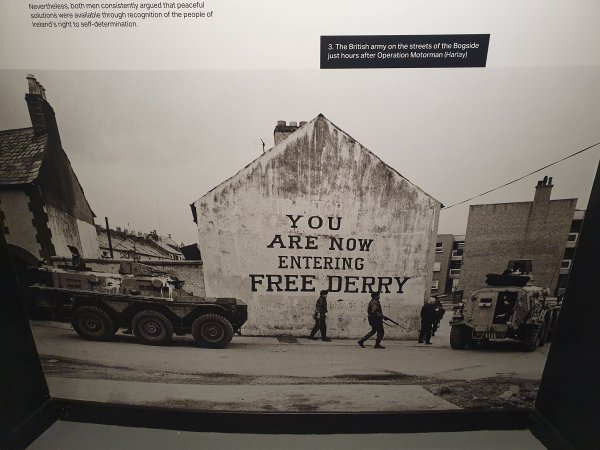
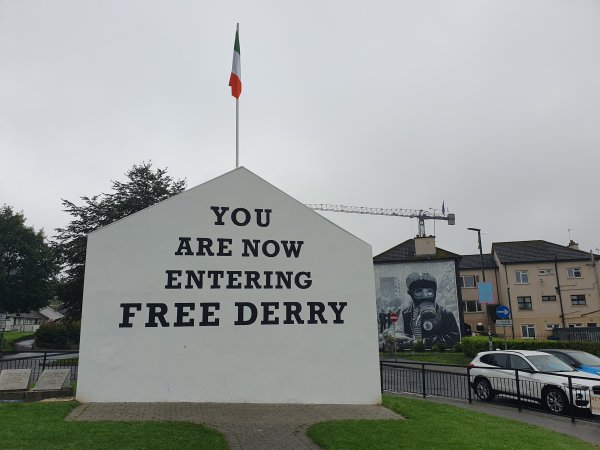
The civil rights movement in Ireland has its deepest roots in Derry. It was here on 5 October 1968 that the issue of civil rights in the north first came to the attention of the world when the police attacked a peaceful demonstration in Duke Street. It was here that the first no go area was declared in January 1969, when the defiant slogan `You Are Now Entering Free Derry` appeared on a gable wall in the Bogside.
It was here in 30 January 1972, Bloody Sunday, that 14 unarmed demonstrators were killed and 17 others injured by the British Army in the streets around this building.
By boldly taking on the might of the state, an oppressed people were demanding a different world where justice, equality and freedom were the entitlement of all. In this museum and archive rests part of their legacy. Their epitaph is the continuing struggle for democracy. This museum is dedicated to all who have struggled and suffered for civil rights everywhere, and who will do so in the future.
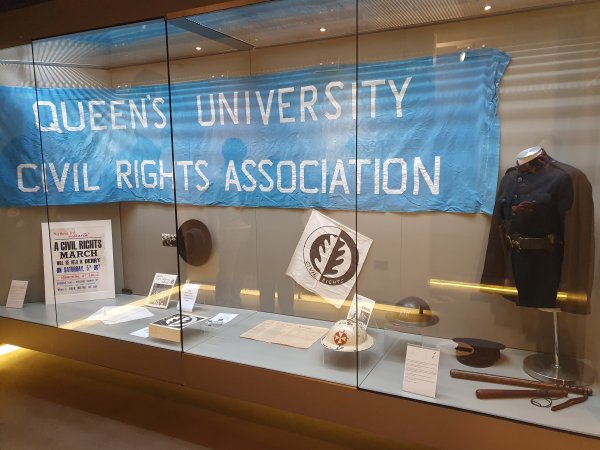
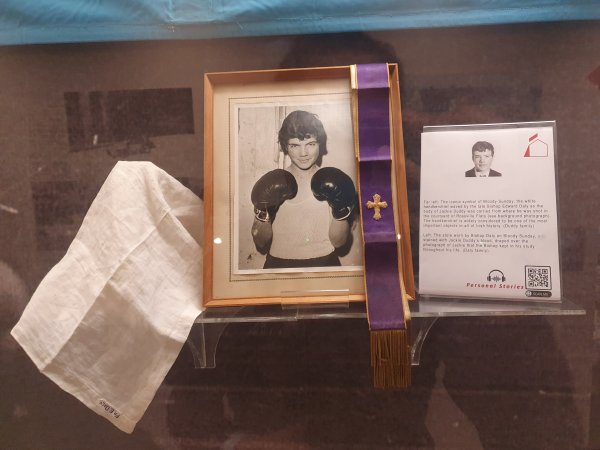
The iconic white handkerchief from Bloody Sunday that Pr. Edward Daly waved while trying to bring Jackie Duddy (who was shot in the back by the British Army) to safety:
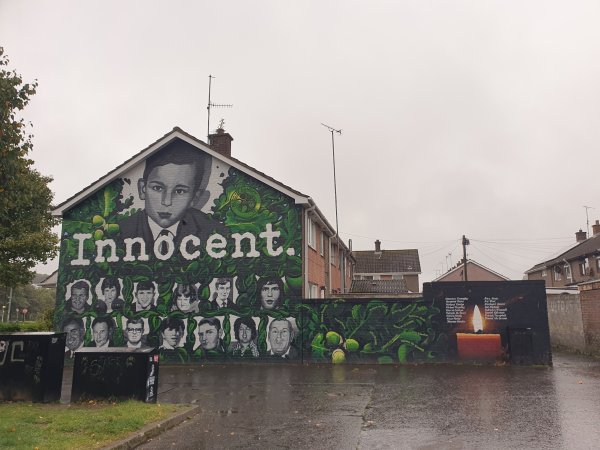
I took a stroll around the neighborhood where there were many murals memorializing the lives lost during the Troubles.
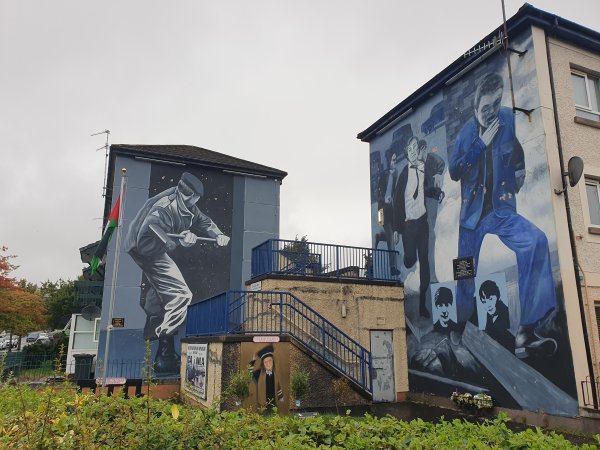
And visited Free Derry Corner itself
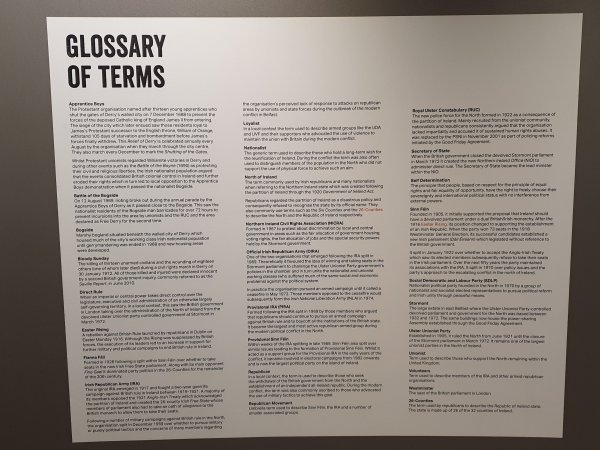
I learned the Peacemakers Museum was nearby and still open, so I decided to swing by there as well. This museum tells about the negotiations and protests regarding the various political groups in Northern Ireland from the late 1960s to 2007. It was a lot of content and often featured walls and walls of text, so it was very intense, but a worthwhile read, and provided context for the history for the beautiful region I had just travelled through.